Home solar & batteries
Solar battery storage for your home
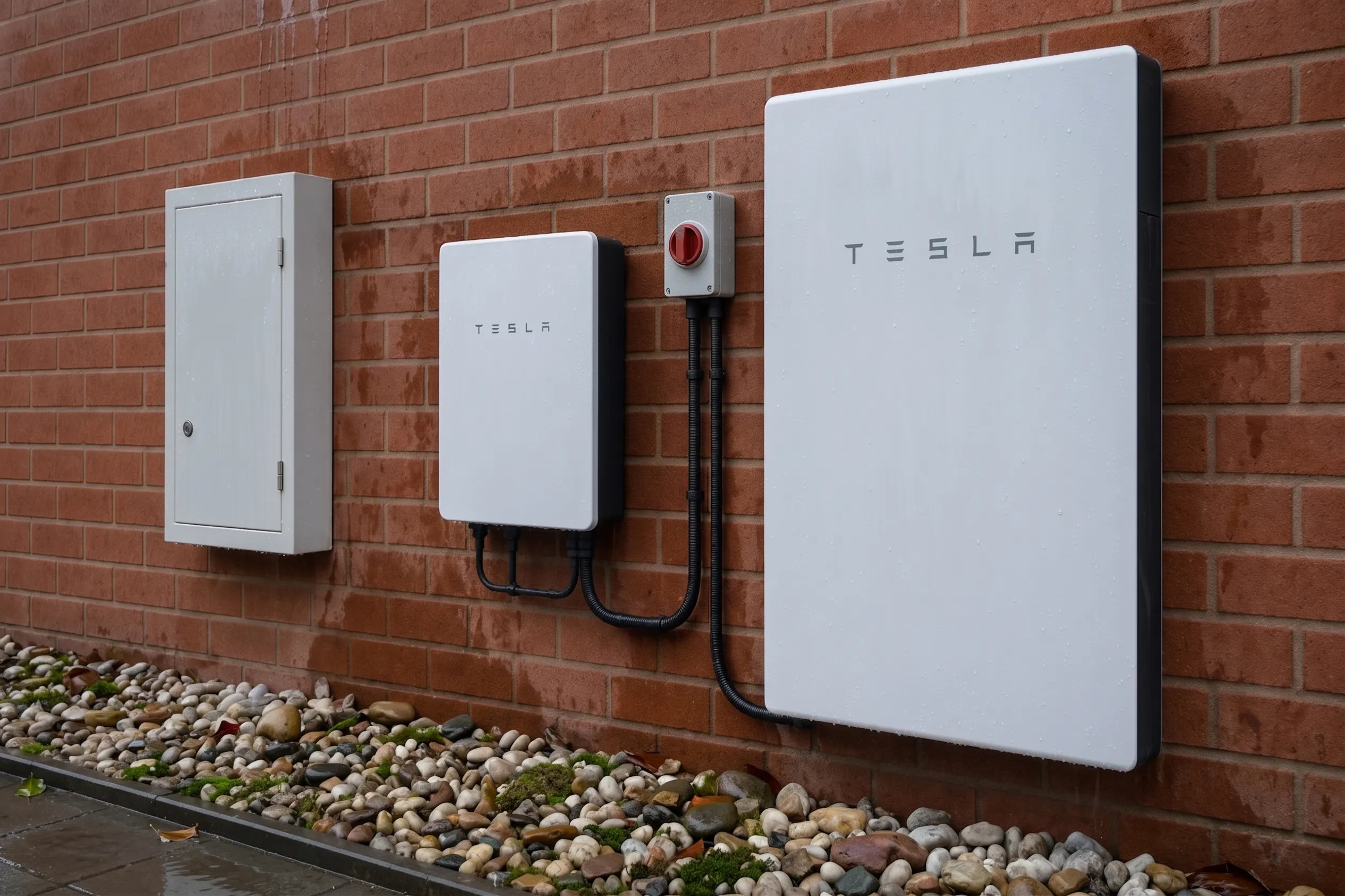
Solar battery storage is a battery that stores cheap electricity, either from your panels or bought overnight on a smart tariff, then runs your home through the expensive hours. It works with solar panels, or entirely without them, and it keeps saving every day of the year, even in a North East December. That is why the battery is the heart of every home system we design and install.
For homeowners
- Charge cheap overnight on a smart tariff
- 0% VAT until March 2027
- Works with panels, or battery-only
Around the clock
How does solar battery storage cut bills all year?
In winter the cycle simply leans harder on the overnight charge; in summer the panels do most of the work and the export meter earns. Either way, you stop buying peak-rate electricity. Current incentives, including 0% VAT, are set out in our free solar panels and grants guide.
24h
savings,
whatever the weather
- 12am-6am Battery charges on cheap overnight rate
- 6am-4pm Panels power the house & refill the battery
- 4pm-9pm Stored power beats the evening peak
- 9pm-12am Top-up before the cheap window returns
2am
Battery charges cheap
Overnight smart-tariff electricity, often a quarter of the daytime rate, fills your battery while you sleep.
8am
House runs on stored power
Breakfast, kettle, washing machine: all powered from the battery instead of peak-rate grid electricity.
12pm
Panels take over
Daytime generation runs the house, tops the battery back up, and exports any surplus for payment.
6pm
Peak rates? Not your problem
The evening peak, the most expensive electricity of the day, comes from your battery, not the grid.
Why now
Three reasons homeowners are moving fast.
-
0% VAT ends March 2027
Home solar and battery installations are VAT-free until then, a four-figure saving on a typical system that is due to disappear.
-
Smart tariffs reward batteries
Cheap overnight windows have turned batteries from an accessory into the money-maker. The bigger the gap between night and peak rates, the faster the payback.
-
Export payments on top
The Smart Export Guarantee pays for surplus generation, and we help you pick a tariff that actually pays properly.
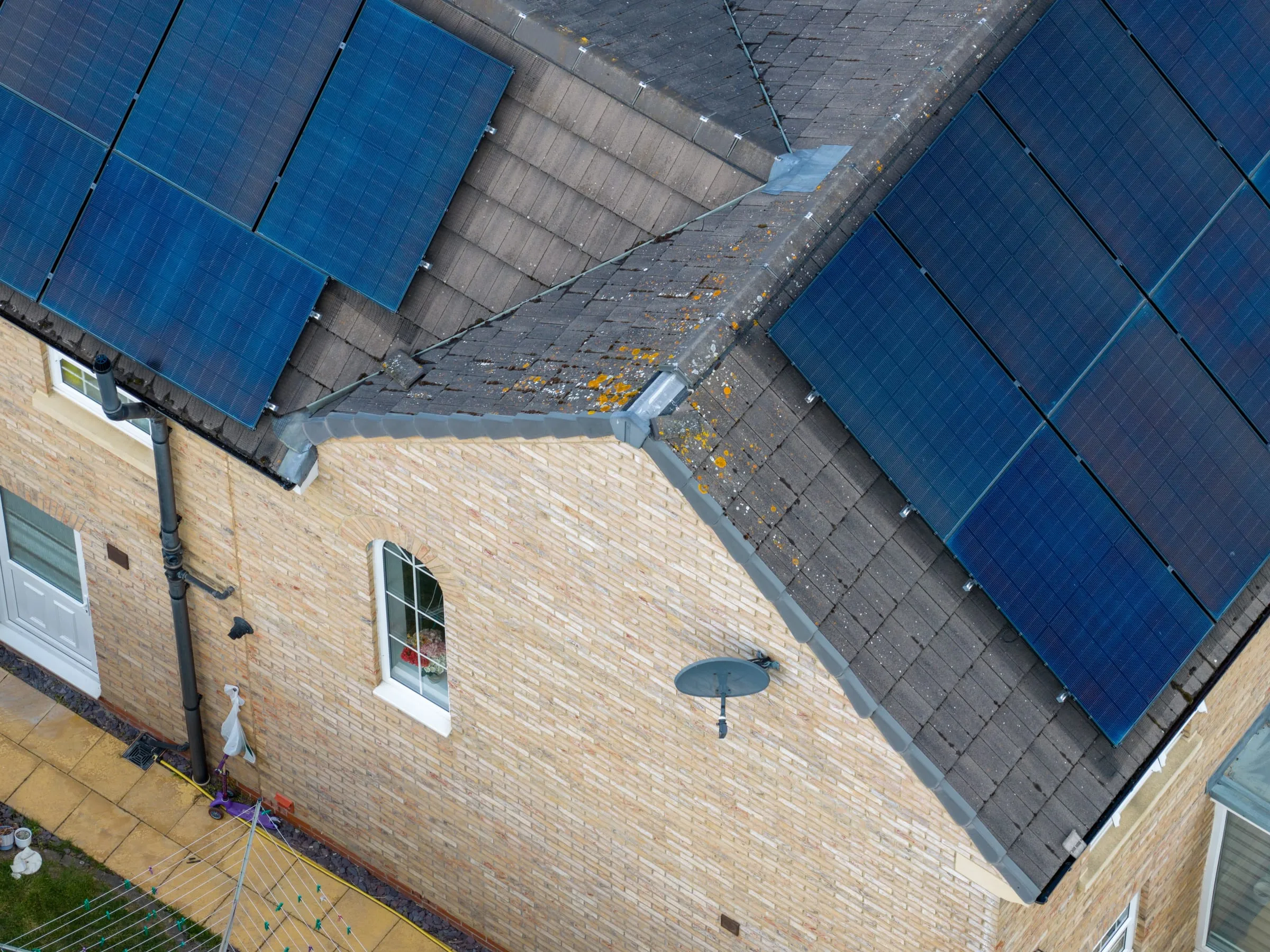
Can you get home battery storage without solar?
Yes. A battery-only installation buys cheap overnight electricity and powers your home through peak rates with no panels involved, still with 0% VAT until March 2027. It also suits homes with existing panels: store what you currently export for pennies and use it after dark instead.
Home solar FAQs
What homeowners ask first.
How does charging a battery overnight save money?
Smart tariffs sell electricity cheaply overnight, often at a quarter of the peak rate. Your battery fills up in the small hours, then runs the house through the expensive daytime and evening windows. Because this works regardless of sunshine, the saving continues all year round, even in December when the panels are quiet.
How much does a home solar and battery system cost?
Most installations fall between £7,000 and £14,000 depending on panel count and battery size, and home installations carry 0% VAT until March 2027. Battery-only installs for homes that already have panels, or just want cheap overnight charging, start well below that. Every quote is free, surveyed and itemised.
Do solar panels work in winter in the North East?
Panels generate from daylight rather than heat, so they produce in winter, just less of it. This is exactly why we design most home systems around a battery: overnight smart-tariff charging keeps cutting your bills through the darkest months, and the panels take over as the days lengthen.
Can I get a battery without solar panels?
Yes. A battery-only installation lets you buy cheap overnight electricity and use it at peak times, which stacks up well for many homes even before panels enter the picture. It also carries 0% VAT until March 2027, and panels can be added later without rework.
Will I get paid for electricity I export?
Yes, under the Smart Export Guarantee your energy supplier pays for what you export. Rates vary a lot between suppliers, so it pays to choose carefully. That said, using your own power, especially via a battery, is usually worth more per unit than exporting it.
How many solar panels does my house need?
A typical home installs 10 to 16 panels, but the right number depends on your roof space, orientation and how much electricity you use. We size systems from your actual usage rather than a one-size template, and the free survey confirms what your roof can take.
Do I need planning permission for home solar?
Usually not. Domestic rooftop solar is normally permitted development, with exceptions for listed buildings and some conservation areas. We check this for you before anything is ordered.
Is my home suitable for solar panels?
Yes, if the roof faces south, east or west. South, east or west-facing roofs all work, and modern panels perform well even with some shading. The free survey looks at orientation, pitch, shading and your consumption pattern, and we will tell you honestly if solar does not stack up for your property.
What is the best tariff for solar and battery in the UK?
The best tariffs for solar-and-battery homes pair a cheap overnight window for charging with a decent export rate, and several suppliers now offer tariffs designed exactly for this. The right one depends on your battery size and usage pattern; we set up every installation with a tariff recommendation and show you the maths behind it.
Do solar panels add value to your house?
Yes. An installed, owned solar-and-battery system lowers running costs and improves the EPC rating, both of which buyers and mortgage lenders look at. The effect is strongest when the system is owned outright rather than leased, which is how we install.
Renting the property out? Read Solar for Landlords for the EPC and tax angles. We install across the North East, including Newcastle upon Tyne. More answers in our home solar questions.
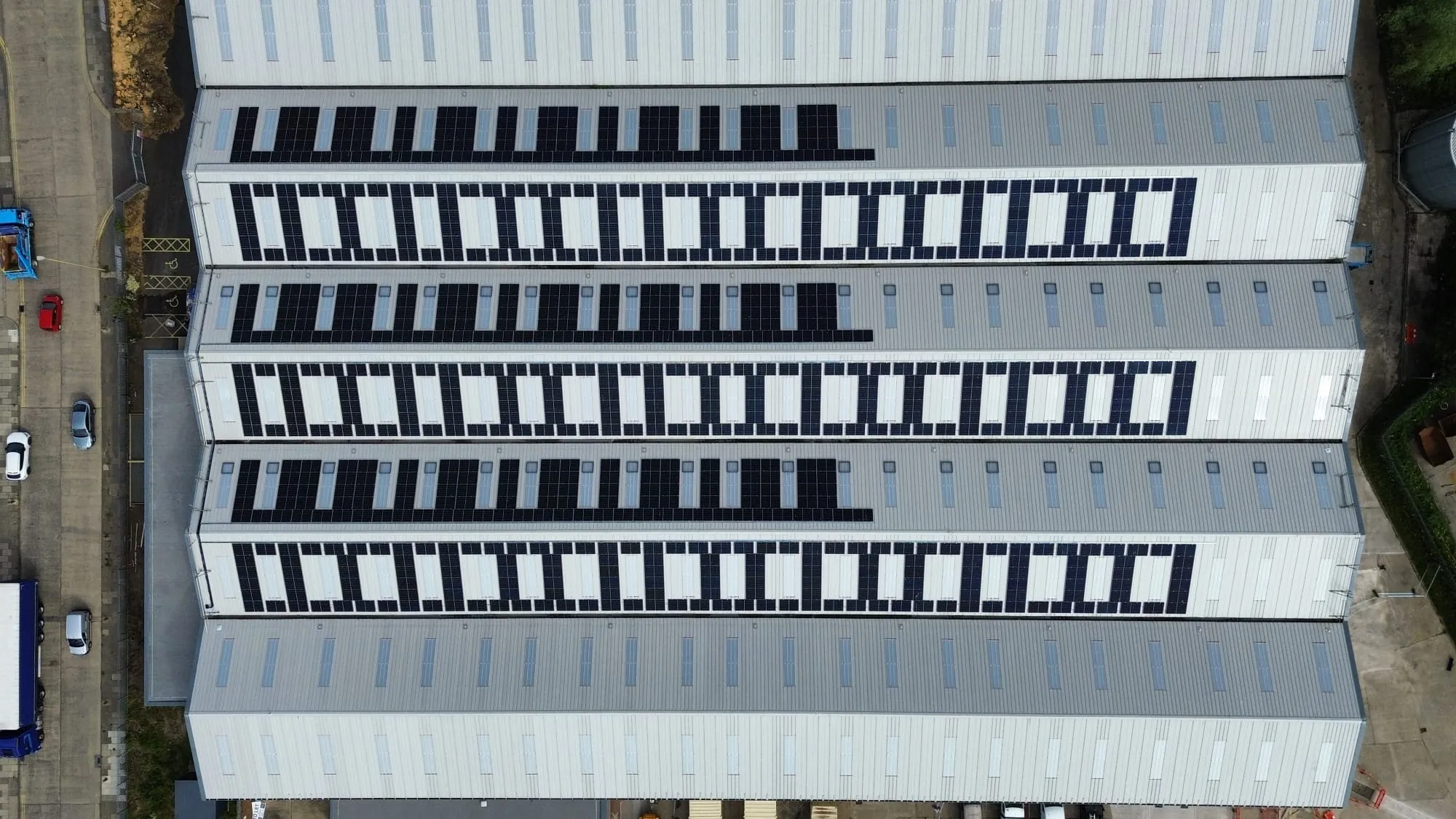
Your roof plus a battery beats your tariff.
Free home survey across the North East. We size the system from your real usage and show the payback before you decide.